The Biennial Project Biennial 2026
at the Venice Biennale
Prize Winners
|
;
Grand Prize Winners |
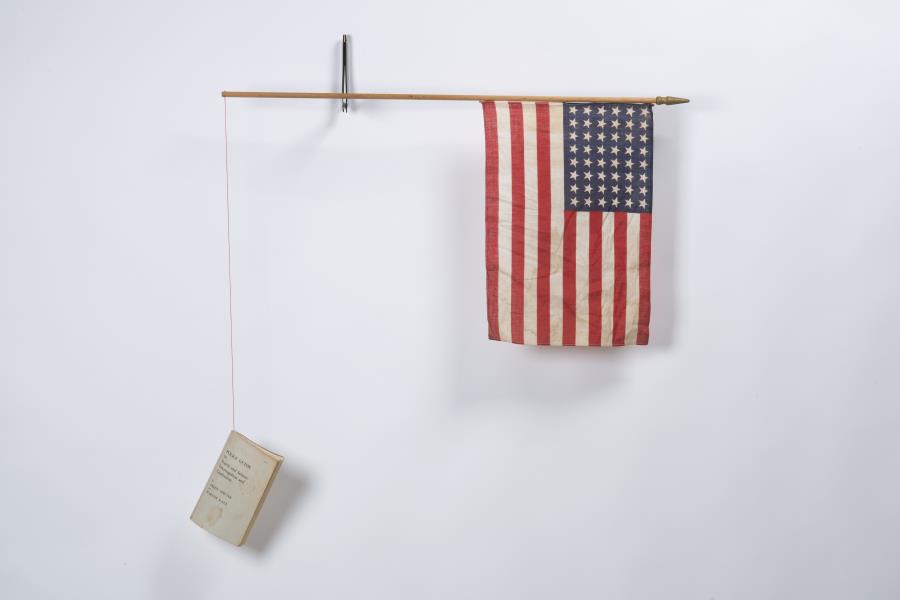 Clint Imboden |
.jpg) Christine Palamidessi |
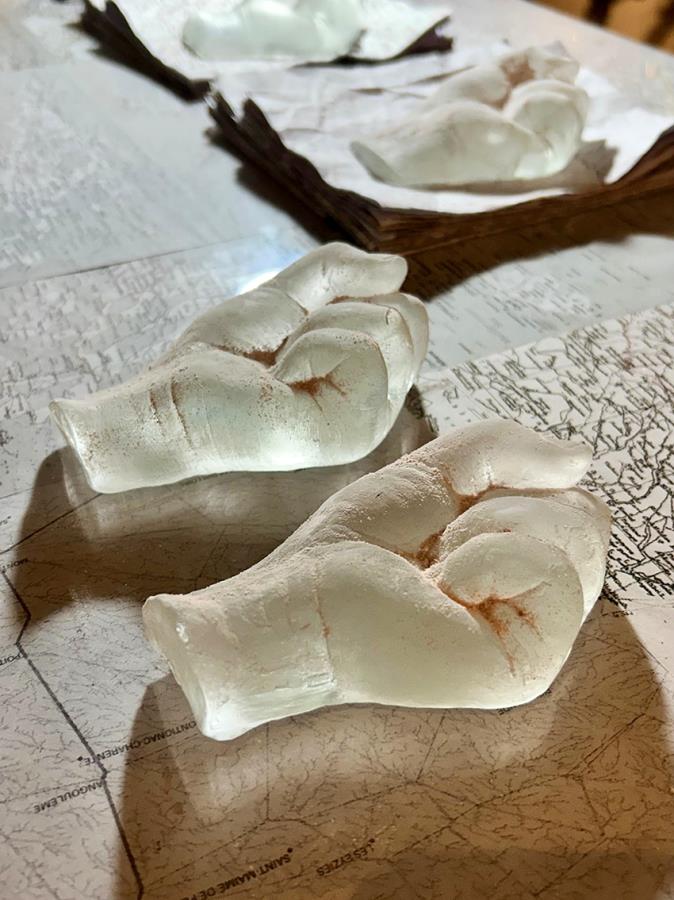 Marta Strambi |
|
;
Grand Prize Winners |
| Clint Imboden |
Christine Palamidessi |
Marta Strambi |
|
;
Juror - Liz FaustLiz Faust is an art historian, independent curator, and a professor of contemporary art whose career is centered around weaving diverse narratives and transforming art spaces globally. She has curated over eighty exhibitions including solo exhibitions of both living and deceased artists. Liz Faust website
A few words about the Grand Prize winners In reviewing submissions for this year’s Boston Biennale Project, I found myself returning to works that demonstrated not only formal strength, but depth—works that operate on multiple registers at once. I was drawn to artists who understand material as language: who allow objects, structure, and spatial decisions to carry narrative and political resonance without relying on overt declaration. The three artists I selected—Marta Strambi, Christine Palamidessi, and Clint Imboden—share a commitment to layered storytelling, symbolic precision, and material intelligence. Though distinct in form and voice, their works engage a shared set of concerns: fragility and resilience, myth and memory, balance and resistance. Each artist approaches these themes through a different scale and strategy. The sequence of their presentation reflects a movement I experienced in encountering the works—beginning with the quiet spatial gravity of installation, shifting into sculptural procession and collective mythmaking, and culminating in an object distilled to a single, charged equilibrium. Marta Strambi’s installation establishes a contemplative field. Through glass, light, and cartographic reference, she renders resistance as something both delicate and enduring. Her work situates us within a material meditation on geopolitical instability, where fragility becomes a condition of awareness rather than weakness. Christine Palamidessi expands the conversation outward and upward. Her sculptural procession of global goddesses introduces movement, memory, and cultural continuity. Mythological figures stride into the present, carrying ancient frameworks of justice, balance, and moral reckoning into contemporary life. The tone shifts from meditative to declarative—without losing nuance. Clint Imboden’s work distills these broader currents into a single act of tension. In balance #2, democracy itself becomes a physical condition held in precarious equilibrium. The gesture is restrained, direct, and unsentimental. What Strambi renders spatially and Palamidessi stages collectively, Imboden compresses into a moment of sustained balance on a sharpened edge. Together, these artists demonstrate the power of material as metaphor and form as inquiry. Their works do not dictate conclusions; rather, they ask us to remain attentive—to the forces that destabilize, to the histories that guide us, and to the ongoing effort required to hold structures, beliefs, and communities in balance. The selection process, however, was far from simple. The breadth and quality of submissions reflect a community of artists deeply engaged with contemporary concerns and committed to rigorous practice. Many works demonstrated technical mastery, conceptual clarity, and compelling personal narratives. Narrowing the field required difficult decisions—not about worth, but about resonance within a particular constellation of works. The final three emerged not as exclusions of others’ merit, but as pieces that, in dialogue with one another, formed a cohesive and layered conversation about materiality, symbolism, and the precarious structures—political, cultural, and moral—that shape our present moment. |
|